
Ranked as one of the Best Photography Blogs On The Web.


Connect with over 50,000 Followers!
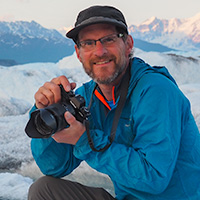

About Dan Bailey
Hi! I’m Dan Bailey, a 28+ year professional adventure and travel photographer based in Anchorage, Alaska. My work has been published by clients worldwide, including Fujifilm, Nikon, Fidelity Investments, Alaska Airlines, British Petroleum, Outside Magazine, Discovery Channel, National Geographic Adventure, The New York Times, and Patagonia.
As a top rated blogger and author of a number of popular photography books and eBooks, my goal with this site is to provide information, insight and inspiration to other photographers in the hopes that I can help you further your own creativity, technique, confidence and knowledge about the world of outdoor photography.

Learn. Be Inspired. Expand Your Skills and Creativity.
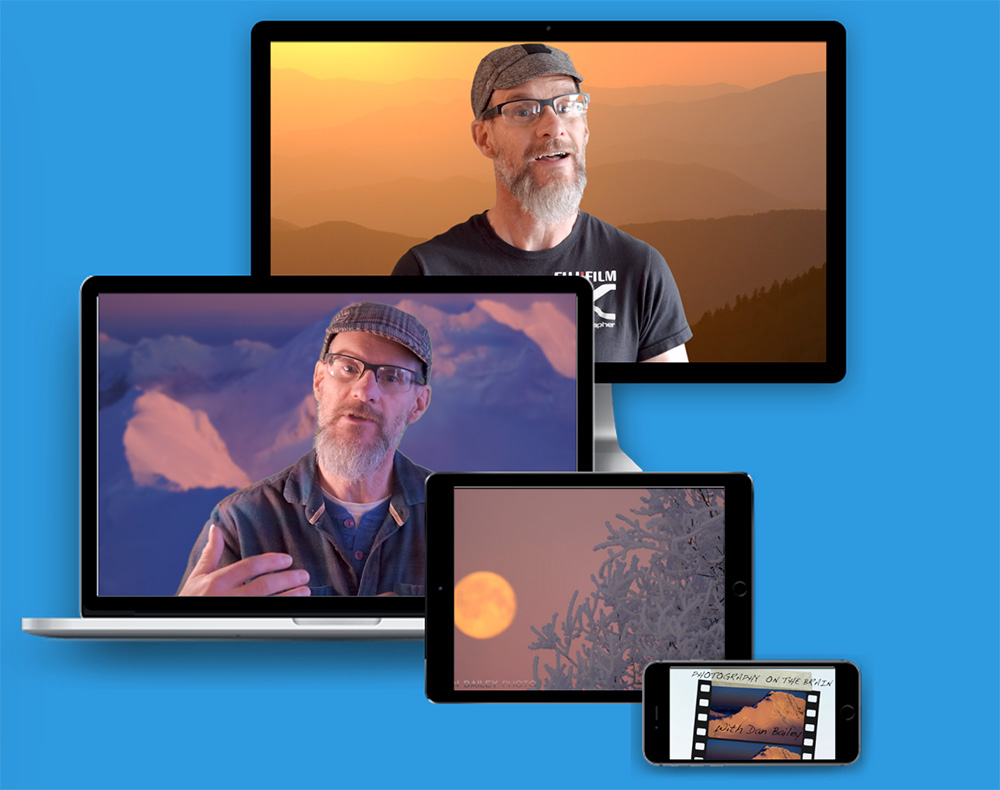
In my Photography On The Brain course, you'll develop your own creative brain and explore a wide range of topics that challenge you to think about image making in a whole new way.
Drawing on my 28+ years of experience, these short, concise lessons are designed to inspire, get you thinking more deeply about aspects like creativity, approach, method, technique, composition and vision, and motivate you to try and apply these concepts to your own image making.
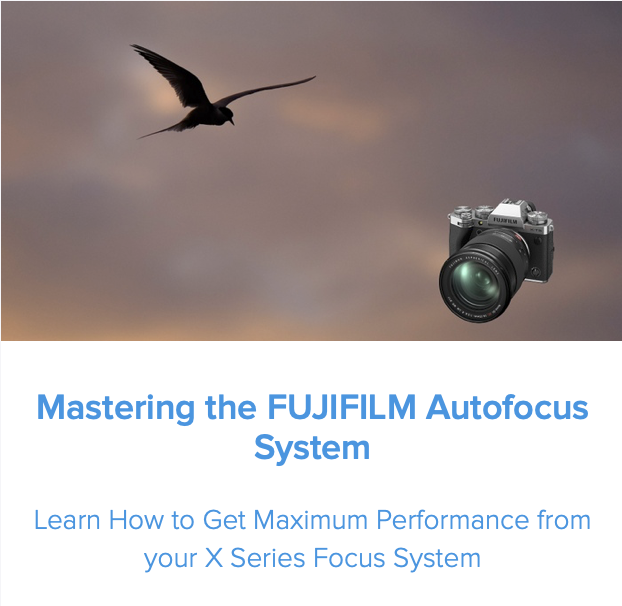
DO YOU STRUGGLE WITH AUTOFOCUS?
DO YOU HAVE A HARD TIME GETTING SHARP IMAGES?
DO YOU FIND IT DIFFICULT TO CAPTURE MOVING SUBJECTS?
ARE YOU CONFUSED BY ALL THE FOCUS SETTINGS ON YOUR FUJIFILM CAMERA?
DO YOU WANT TO BE A MORE CONFIDENT AND PROFICIENT SHOOTER?
Then this course is for you!!!
Let me help you become more proficient with your X Series focus system,
so that you can get the shots that you want.
"Hi Dan- Your auto focus course is brilliant. It takes a single aspect of photography, albeit an important one, and provides a detailed understanding of how it works, and how best to work it. You are a great teacher, providing solid examples, good real, everyday down-to-earth advice and tips"
-Marty G.
Subscribe to my YouTube Channel

Featured Blog Posts
Recent Blog Posts
Recommended Resources
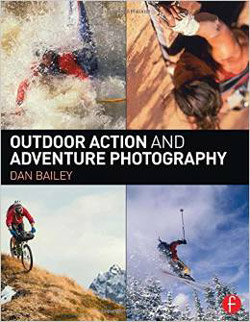
Books & Tutorials
Learn outdoor photography skills and techniques with my highly informative how-to books, eBooks and video course.

Workshops
Information about my upcoming photography workshops, photo tours and Fujifilm X Series presentations.
I also have a number of upcoming camera store events in 2019 as well.
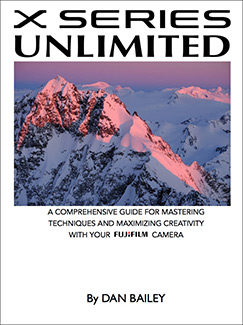
X SERIES UNLIMITED
My bestselling eBook is considered to be the Go-To guide for the Fujifilm cameras.
Join thousands of other X SERIES shooters and learn how to get the most from your Fuji camera!
Are You Ready to Start Learning?
Sign up now and give your photography the creative and energetic boost it deserves.
